![Tokyo Harajuku Takeshita Street Tourist Guide Map [TOH] TOUR OF HARAJUKU | Recommended Spot Information](/images/tour-logo.svg)
HISTORY from when
HARAJUKU
The history of Harajuku
When did Harajuku start?

It was during the early Edo period that the area began to be called Harajuku.
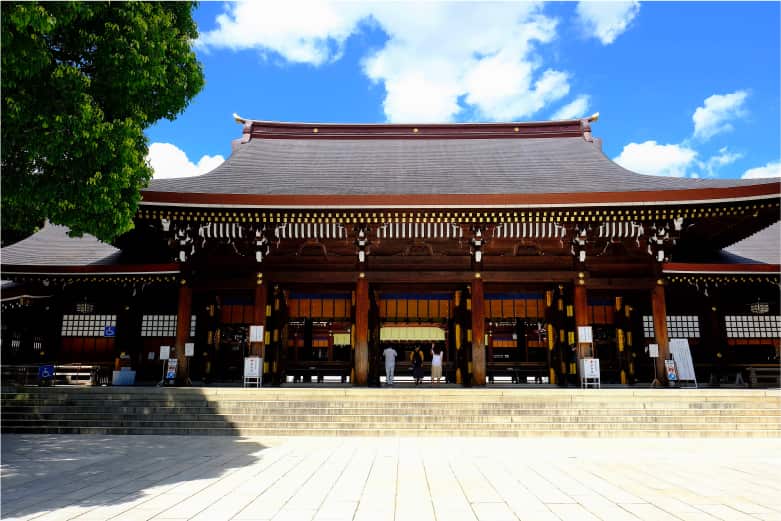
Meiji Shrine, founded in 1920
In the early Edo period, this area was called Sendagahara, and it is said that the name Harajuku arose from the fact that it was once a post station on the Kamakura Kaido road, which ran from Sagami Province to Oshu. During the Edo period, the area was lined with samurai residences and temples, and during the Meiji period, it was home to many aristocratic residences.
Harajuku Station opened in 1906 (Meiji 39) with the extension of the Yamanote Line, and Omotesando was developed in 1919 (Taisho 8) to coincide with the founding of Meiji Shrine.
After the war, the US Air Force barracks "Washington Heights" were built on the former site of the requisitioned Yoyogi Training Grounds, and stores catering to US military personnel and their families, such as Kiddyland, Oriental Bazaar, and Fuji Torii, began operating along Omotesando.
Since the 1960s, it has developed into a town where young people gather.

Laforet Harajuku was founded in 1978
In 1964, the Tokyo Olympics were held at the nearby Yoyogi National Gymnasium and other venues. The athletes' village was built in Washington Heights, and the "Harajuku tribe" emerged as a group of young people who were exposed to foreign cultures.
In 1966, Mademoiselle Nonnon, the first full-scale boutique in the Harajuku area, opened, and modern coffee shops and accessory stores began to open one after another.
The Meiji-Jingumae subway station opened in 1972, followed by the opening of Palais France in 1973 and Laforet Harajuku in 1978. Harajuku was also introduced in the newly launched fashion magazines "AnAn" and "non-no," and the Annon tribe began roaming the streets, earning Harajuku a nationwide reputation as a fashion center.
In the 1980s, terms like "Takenoko-zoku" and "Hokoten" were coined, and the area became a trendsetting spot.
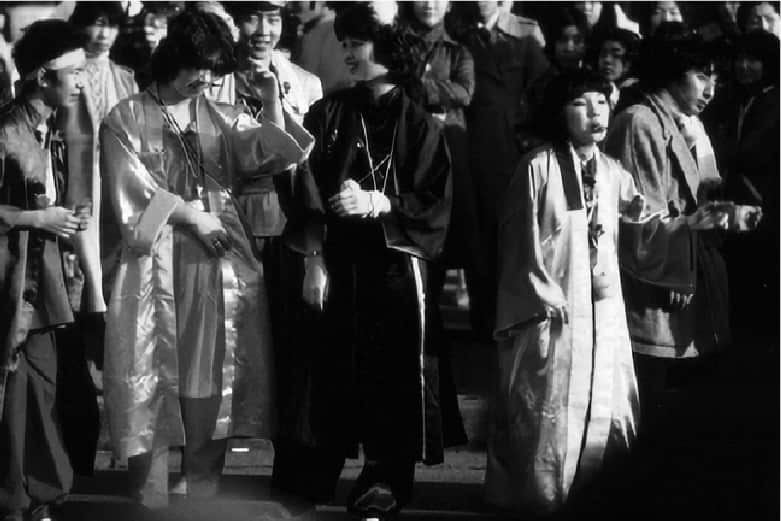
The pedestrian zone was overflowing with Takenoko-zoku.
In the early 1980s, Harajuku's pedestrian zone was overflowing with young people known as the "Takenoko tribe," who performed step dancing in unique, flashy fashion. One of the reasons for the name "Takenoko tribe" is said to be that they danced wearing clothes purchased at the Takenoko Boutique on Takeshita Street.
Laforet Harajuku opened in 1978 (Showa 53), and around this time, Harajuku became widely known as a fashion and apparel hub, becoming a hotbed of trends.
Since the 1990s, places like "Urahara" and "Omotesando Hills" have been established, making it a center of sophisticated culture.
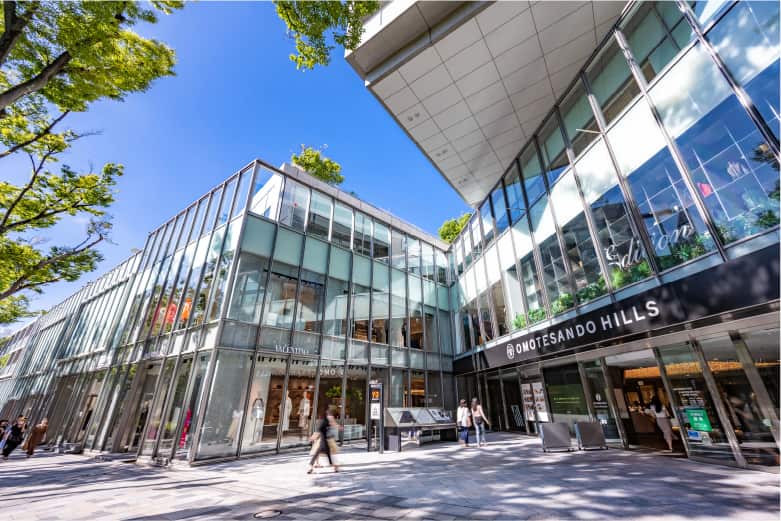
Omotesando Hills was opened in 2006
In the 1990s, flagship stores of famous international fashion brands opened one after another in Omotesando. Meanwhile, NIGO opened BAPE in Jingumae 4-Chome. This area, along with Cat Street, saw a line of stores showcasing new fashion trends, creating an area known as "Ura-Hara" (Backstreets of Harajuku).
Omotesando Hills opened in 2006, and the Tokyo Metro Fukutoshin Line opened in 2008. Customers lined up at sweet shops selling Hawaiian-inspired pancakes, flavored popcorn, and crepes, and low-priced general stores opened one after another. The area is expected to continue to grow in popularity.